Retail Language
Look for videocassette callouts, VHS or Beta marks, suggested retail prices, studio logos, release-date text, and store-display intent.
Collector blog
What collectors should check before buying original 1980s video-store promotional posters.
Browse the archive of real, owner-photographed 1980s posters — or jump straight to the strongest pieces.
Buying from the archive
Collector blog
Short, practical buying guidance for serious poster collectors.
Look for videocassette callouts, VHS or Beta marks, suggested retail prices, studio logos, release-date text, and store-display intent.
Make sure the photographed item is the exact piece you’ll receive — not a clean stock image, a catalog scan, or a reproduction mockup. A trustworthy listing shows the real object under normal light, including the parts that aren’t perfect. If every image looks flawless and identical to what a search engine returns, treat it as a flag and ask for a fresh photo of the actual piece before you commit.
Fold lines, edge wear, waviness, tape, holes, glare, sleeve reflections, and handling marks should be explained in plain language before payment — not buried or airbrushed away. Period posters were shipped folded and displayed hard, so some wear is normal and even expected; what matters is that the seller names it and shows it. Restoration, trimming, and backing change both value and originality, so those should always be disclosed rather than discovered after the piece arrives.
For one-of-a-kind archive pieces, the safest path is an owner-confirmed order: the seller verifies measurements, final condition language, packing, shipping, and current availability before anything ships. That protects you from paying for a piece that’s already sold or that turns out different in hand, and it matters most on higher-value posters, where a measured size and a current photo settle any doubt. A good seller treats that confirmation step as part of the service, not an obstacle.
If several pieces fit your collection, a single clea bundle is usually stronger than a scatter of one-off messages — for you and the seller. Grouping related titles (a studio, a genre, a format) makes packing and shipping more efficient, often opens room on price, and gets you one coordinated confirmation instead of a dozen threads. When you’re building a themed wall or a focused sub-collection, ask about the whole group at once.
Where a poster came from matters as much as what it is. A clear, honest history — a family archive, a store’s leftover stock, a documented collection — is far stronger than vague marketplace wording or unverifiable “found in a warehouse” claims. Provenance alone won’t prove every printing detail, but paired with actual-item photos and period retail language, it’s what separates a confident purchase from a gamble.
Use these links to move from research into real archive pages:
These fresh listings give collectors a reason to revisit the archive:
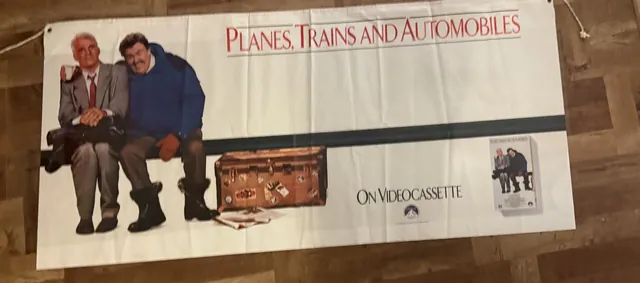 Preview
Actual itemEach listing uses the photographed poster.
Preview
Actual itemEach listing uses the photographed poster.
1987 - Hanging banner
Exact size needs verification. Request measurements
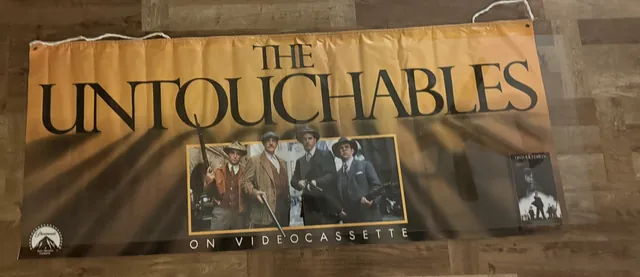 Preview
Actual itemEach listing uses the photographed poster.
Preview
Actual itemEach listing uses the photographed poster.
1987 - Hanging banner
Exact size needs verification. Request measurements
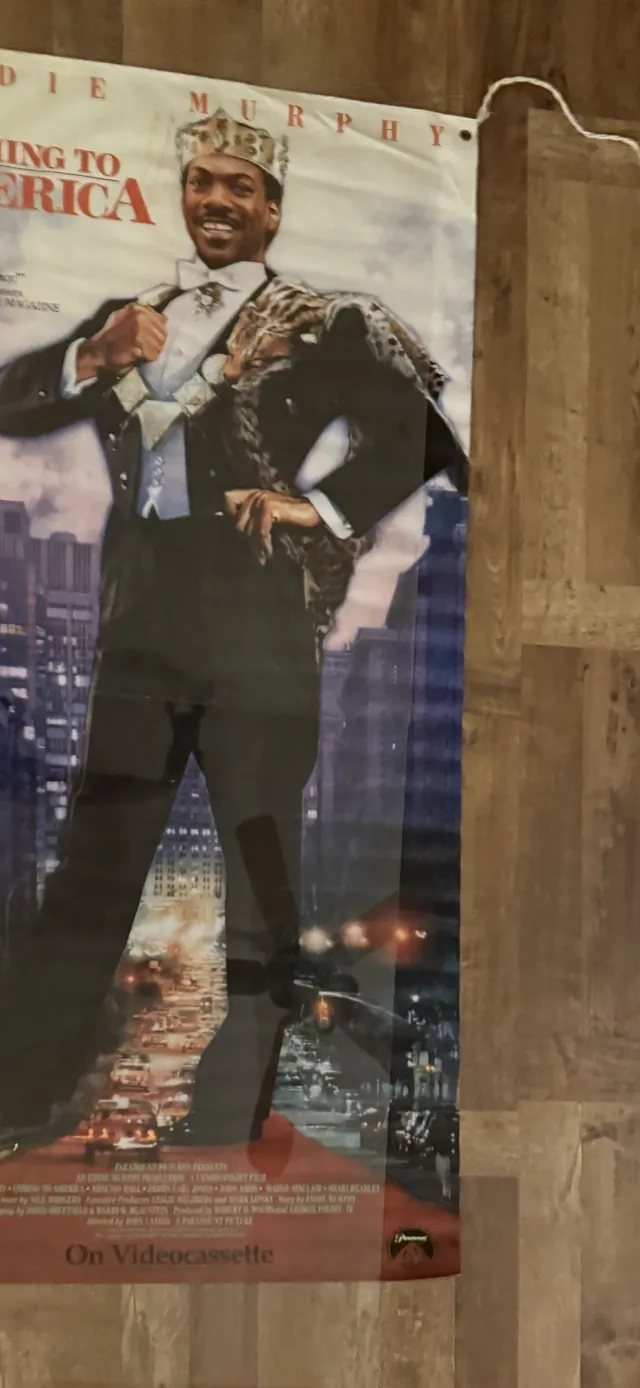 Preview
Actual itemEach listing uses the photographed poster.
Preview
Actual itemEach listing uses the photographed poster.
1988 - Hanging banner
Exact size needs verification. Request measurements
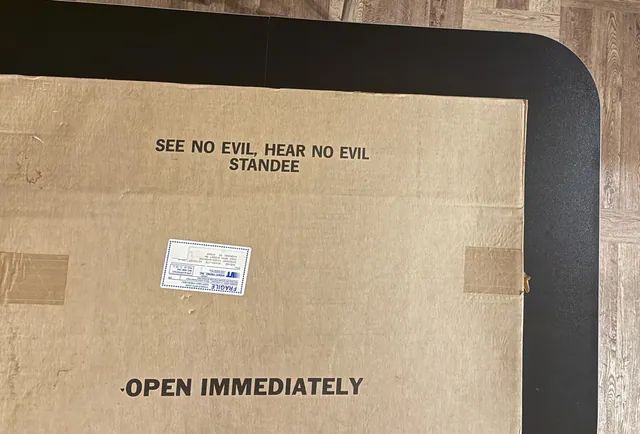 Preview
Actual itemEach listing uses the photographed poster.
Preview
Actual itemEach listing uses the photographed poster.
1989 - Standee carton
Exact size needs verification. Request measurements