Demand
Start with title demand, actor recognition, franchise strength, studio label, and whether the poster represents a period campaign collectors already search for. Demand is what turns a nice poster into a resilient one: a title people actively hunt for holds value through market swings, while an obscure release depends on finding the single buyer who wants it. Franchises, cult classics, and career-defining roles keep a steady audience, and a recognizable studio or home-video label adds a second layer of interest beyond the film itself.
Object Proof
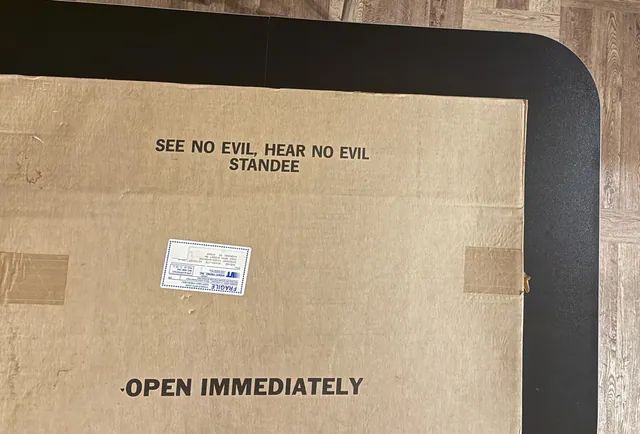
Prefer actual-item photos, visible condition notes, known provenance, and exact listing pages over stock art or vague marketplace descriptions. The difference between a document and a gamble is proof you can see — real photography, honest condition language, and a traceable history let you judge the specific piece rather than a category, and they make that same piece far easier to resell later. Treat a listing that hides behind stock art as an unknown, not a bargain.
Format
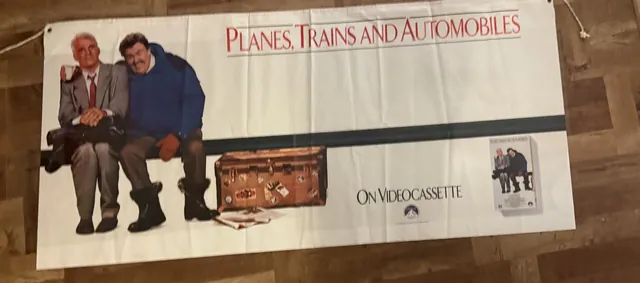
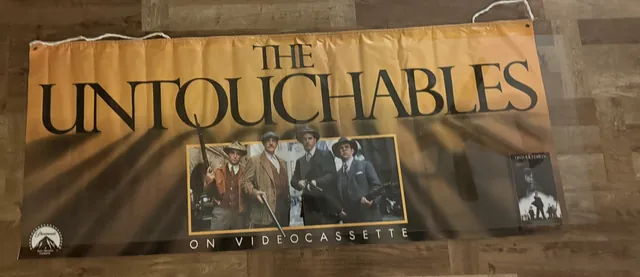
Theatrical one-sheets, home-video promos, cloth posters, counter displays, and dealer sheets can have different buyer pools even when they share the same movie title. A one-sheet chases the broad movie-poster market; a video-store promo or dealer sheet speaks to rental-era and format collectors; a cloth or counter display appeals to display-focused buyers. Knowing which pool you’re buying into — and which is growing — matters as much as the title on the paper.
Comparable Evidence
Check sold results, active asks, auction archives, dealer pricing, and close substitutes from the same studio, year, or format before treating a number as strong. A price is only as good as the comparables behind it: sold results carry more weight than active asks, and the closest matches — same title, format, edition, and condition — matter far more than a distant average. When genuine comps are thin, treat any number as a starting estimate, and let condition and provenance adjust it.
Exit Path
A poster is easier to resell when the page records condition, provenance, price basis, and high-quality images in one place. Think about the sale before you buy: a piece whose record already holds clear photos, measured condition, and a documented price basis can be re-listed in minutes and inspires confidence in the next buyer. Posters that arrive with no paperwork force you to rebuild that trust from scratch, which quietly costs time and value when you want to move them on.
Rarity vs. condition
Rarity and condition pull against each other, and the balance decides value. A genuinely scarce piece can be a strong hold even with honest flaws, while a common title only rewards you in exceptional shape. Decide which lever a poster is leaning on — real scarcity or top-grade preservation — and price your interest accordingly.